
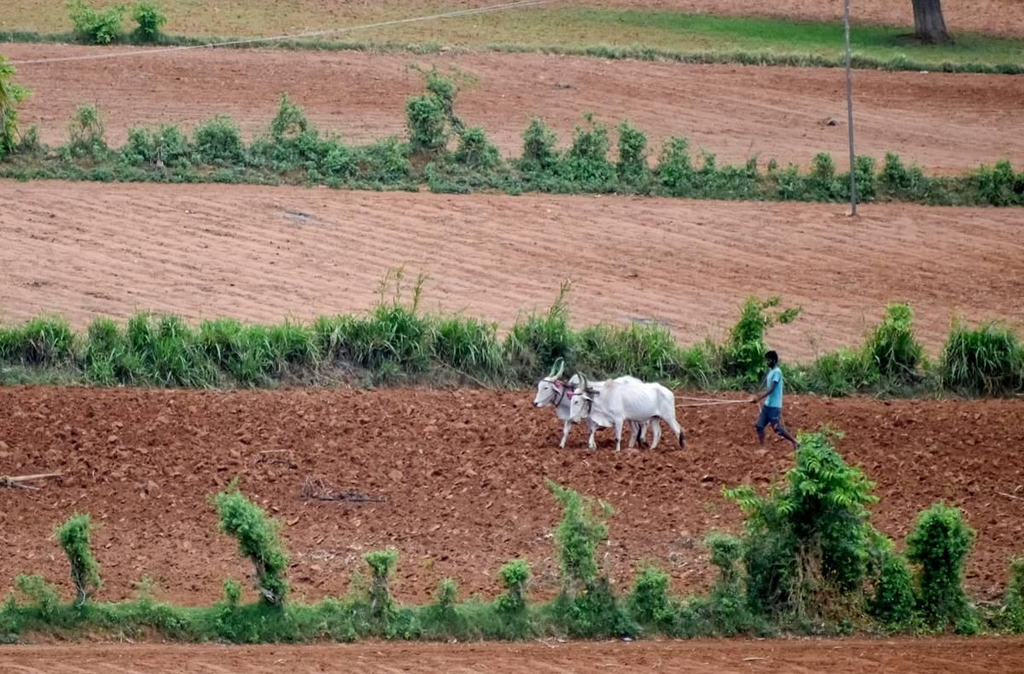
Farmers in Bagalkot district are facing renewed concerns over crop conditions as a rainfall deficit affects agricultural activity. A recent report has highlighted a fresh crop crisis linked to inadequate rainfall in the district. Rainfall remains particularly important for farmers dependent on rain-fed agriculture. Insufficient precipitation can affect soil moisture during crucial stages of crop development. Farmers cultivating cereals, pulses and other seasonal crops are closely watching the weather situation. A prolonged shortage of rain can increase the need for irrigation and place additional pressure on available water resources. Crop growth may also be affected if adequate moisture is not received at critical stages. Farmers are being encouraged to monitor weather forecasts and local agricultural advisories. Efficient use of available water can help protect standing crops during dry periods. Soil-moisture conservation practices can also reduce the impact of irregular rainfall. Agricultural officers and extension workers can provide crop-specific guidance based on local conditions. Farmers may need to adjust irrigation schedules depending on rainfall and soil moisture. The situation also highlights the importance of drought-resistant and climate-resilient farming practices. Crop diversification can help reduce dependence on a single rainfall-sensitive crop. Water conservation measures can provide additional support during periods of inadequate rainfall. The rainfall situation is being closely watched because further dry conditions could affect agricultural productivity. Farmers are also concerned about the financial impact of reduced crop yields. Timely agricultural advisories can help farmers make better decisions regarding irrigation and crop protection. The coming weeks will be important for determining how the rainfall situation affects the district’s Kharif crops.