
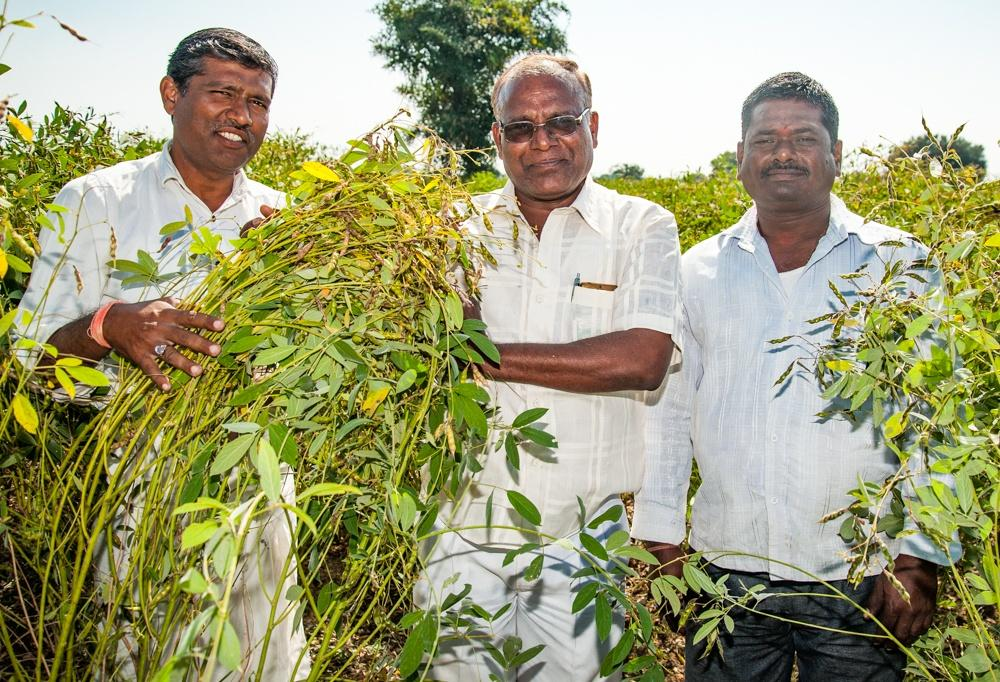
Agricultural research in Bagalkot is highlighting the importance of developing pulse varieties that can perform under changing climatic conditions. A field trial involving a thermo-insensitive pigeonpea cultivar was reported from Bhantnur village in Bagalkot district. The research focused on a pigeonpea line identified as ICPV 25444 and its potential to tolerate high temperatures. Pigeonpea, commonly known as tur or red gram, is an important pulse crop for farmers in northern Karnataka. Temperature stress can affect flowering, pod formation and ultimately crop yields. Developing varieties that are less sensitive to temperature fluctuations could therefore be valuable for farmers in warm and semi-arid regions. Field-level research is particularly important because crop performance can vary according to local soil, rainfall and management conditions. Bagalkot provides an important setting for agricultural research because of its dry climate and dependence on rainfed farming. Pulse crops also contribute to diversified cropping systems and provide an important source of protein. Improved pigeonpea varieties could potentially support more stable production under difficult weather conditions. Farmers normally need reliable information before adopting a new variety on a large scale. Demonstration plots and field trials can help farmers understand the practical performance of new cultivars. Seed availability and suitability to local conditions are also important considerations. Scientists and agricultural institutions continue to work on developing crops that can withstand heat and water stress. Such research could become increasingly important as climate variability affects farming decisions. Farmers can benefit from following recommendations issued by agricultural universities and extension agencies. Local demonstrations can also help spread successful farming practices. The pigeonpea research in Bagalkot represents the growing connection between scientific innovation and practical farming. Climate-resilient pulse varieties may become an important tool