agriculture

ag6
agriculture

Bagalkot Farmers Face New Kharif Challenges Amid Changing Rainfall Pattern

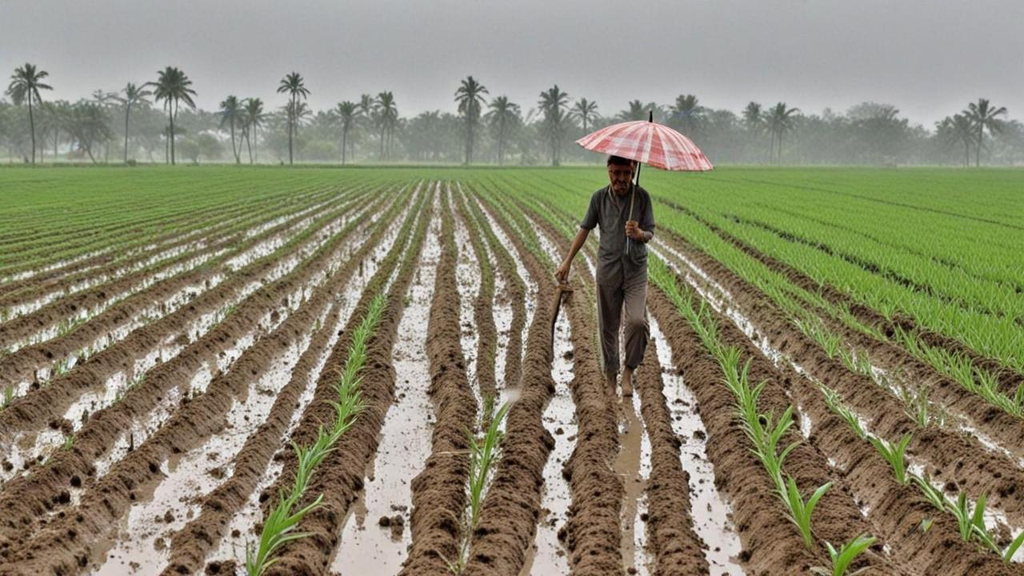
Farmers across Bagalkot district are closely monitoring rainfall conditions as the Kharif agricultural season progresses. The district’s farming activity depends significantly on timely and adequate monsoon rainfall. Current agricultural weather information indicates that light to moderate rain accompanied by gusty winds is possible in Bagalkot and other parts of North Interior Karnataka. Such conditions can provide useful soil moisture for standing crops, but farmers are also advised to remain alert to strong winds and sudden heavy showers. Bagalkot is an important agricultural district where sugarcane, maize, jowar, pulses and other crops are cultivated. Changing rainfall patterns have made crop planning increasingly important for farmers. Agricultural experts generally recommend maintaining proper drainage in fields to prevent waterlogging after heavy showers. Farmers are also being encouraged to monitor crop conditions regularly after rainfall. Young crops may benefit from adequate soil moisture, while excessive rain can create problems for roots and increase disease pressure. Weather-based agricultural advisories can help farmers decide when to irrigate, fertilise or undertake plant-protection activities. The present weather situation highlights the importance of climate-resilient agricultural practices. Farmers are also advised to avoid unnecessary irrigation when sufficient rainfall has occurred. Proper field drainage can protect crops from standing water. Timely weed management is another important activity during the Kharif season. Farmers growing pulses and oilseeds should watch for pest and disease symptoms after periods of humidity. Regular contact with local agriculture officers can help farmers receive updated advisories. The agriculture department and weather agencies continue to monitor conditions across the region. With careful crop management, farmers can reduce weather-related risks. The coming weeks will remain important for crop growth and yield prospects in Bagalkot.
ag5
agriculture

Weather Monitoring Becomes Important for Bagalkot Farmers During Kharif Season

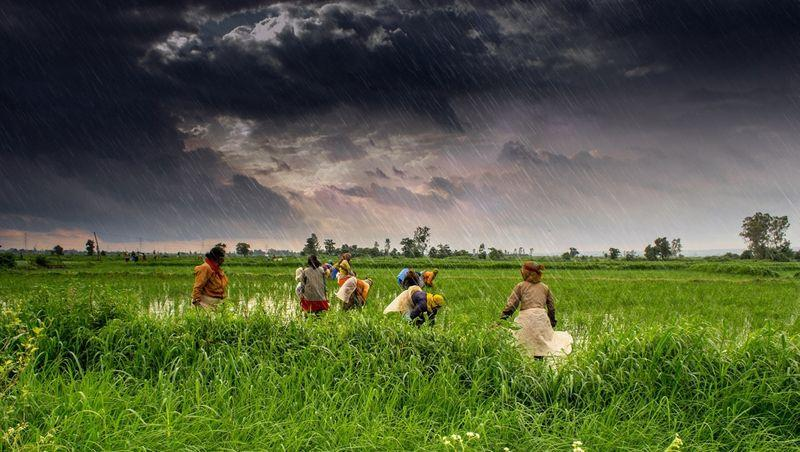
Weather monitoring has become increasingly important for farmers in Bagalkot as rainfall patterns continue to influence agricultural activities. The India Meteorological Department’s agricultural advisory indicates the possibility of light to moderate rainfall and gusty winds in Bagalkot during the current forecast period. Rainfall can provide valuable moisture for standing Kharif crops, particularly in rainfed farming areas. However, strong winds and intense showers can also create risks for crops at vulnerable growth stages. Farmers are therefore advised to keep a close watch on local weather forecasts. Fields with poor drainage may require attention before significant rainfall occurs. Waterlogging can damage roots and increase the possibility of fungal and bacterial diseases. Farmers should also avoid unnecessary pesticide or fertiliser applications immediately before rainfall. Spraying operations are generally better planned according to weather conditions and agricultural recommendations. Young seedlings may be particularly vulnerable to heavy rain and wind. Farmers growing pulses, oilseeds and cereal crops should regularly inspect their fields after rainfall. Early identification of pest or disease symptoms can help prevent larger crop losses. Soil moisture should also be checked before irrigation decisions are made. Efficient water management becomes especially important when rainfall is unevenly distributed. Weather-based advisories can help farmers decide when to undertake sowing, irrigation, spraying and harvesting activities.

ag4
agriculture

New Pigeonpea Research in Bagalkot Targets Better Performance Under High Temperatures

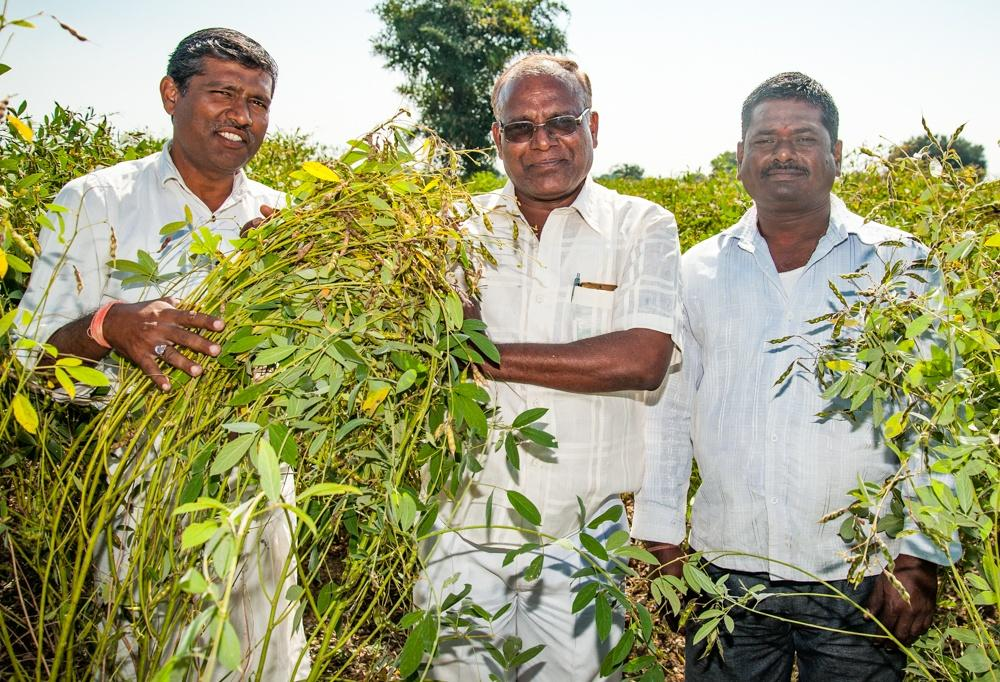
Agricultural research in Bagalkot is highlighting the importance of developing pulse varieties that can perform under changing climatic conditions. A field trial involving a thermo-insensitive pigeonpea cultivar was reported from Bhantnur village in Bagalkot district. The research focused on a pigeonpea line identified as ICPV 25444 and its potential to tolerate high temperatures. Pigeonpea, commonly known as tur or red gram, is an important pulse crop for farmers in northern Karnataka. Temperature stress can affect flowering, pod formation and ultimately crop yields. Developing varieties that are less sensitive to temperature fluctuations could therefore be valuable for farmers in warm and semi-arid regions. Field-level research is particularly important because crop performance can vary according to local soil, rainfall and management conditions. Bagalkot provides an important setting for agricultural research because of its dry climate and dependence on rainfed farming. Pulse crops also contribute to diversified cropping systems and provide an important source of protein. Improved pigeonpea varieties could potentially support more stable production under difficult weather conditions. Farmers normally need reliable information before adopting a new variety on a large scale. Demonstration plots and field trials can help farmers understand the practical performance of new cultivars. Seed availability and suitability to local conditions are also important considerations. Scientists and agricultural institutions continue to work on developing crops that can withstand heat and water stress. Such research could become increasingly important as climate variability affects farming decisions. Farmers can benefit from following recommendations issued by agricultural universities and extension agencies. Local demonstrations can also help spread successful farming practices. The pigeonpea research in Bagalkot represents the growing connection between scientific innovation and practical farming. Climate-resilient pulse varieties may become an important tool

ag3
agriculture

Millet Cultivation Gains Attention as Bagalkot Farmers Look for Climate-Resilient Crops

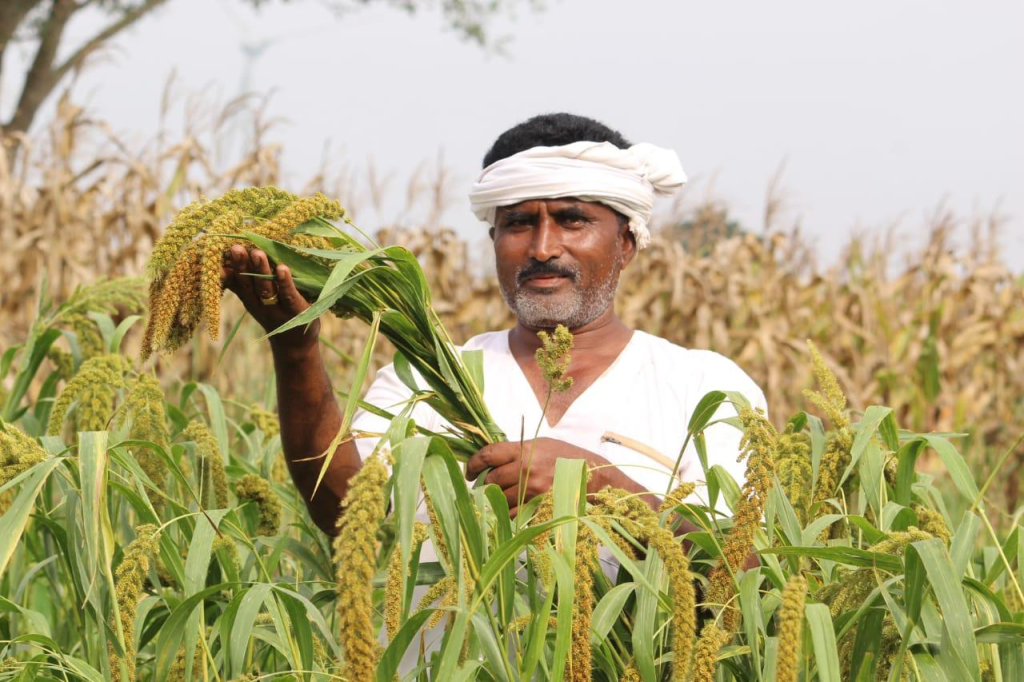
Millet cultivation is receiving renewed attention in Bagalkot and other dryland areas of Karnataka as farmers search for crops that can better cope with uncertain rainfall. Reports on climate-smart farming initiatives in Karnataka have highlighted the adoption of millets by farmers in Bagalkot and neighbouring districts. Crops such as bajra and other millets can play an important role in dryland farming systems. Their relatively lower water requirement makes them useful in areas where irrigation resources are limited. Bagalkot has historically experienced periods of irregular rainfall and water stress. This has encouraged farmers and agricultural organisations to examine alternative cropping patterns. Millet cultivation can also contribute to soil and farm diversification when integrated appropriately with other crops. Farmers can consider varieties suited to local soil and weather conditions. Good-quality seed selection remains important for achieving better crop establishment. Proper sowing time is also critical because early crop growth depends heavily on available soil moisture. Farmers should avoid excessive seed rates and maintain suitable plant spacing. Weed control during the early growth period can help crops compete effectively for moisture and nutrients. Balanced fertiliser application can also support crop development. Millets have nutritional value and are increasingly finding demand in health-conscious food markets. Better market linkages can improve the economic attractiveness of millet cultivation. Farmer groups and cooperatives can potentially help with aggregation and marketing. Processing and value addition may provide additional income opportunities. Climate-resilient farming does not require abandoning traditional crops completely. Instead, diversification can help farmers reduce dependence on a single crop. For Bagalkot’s dryland farming communities, millets could form one part of a broader strategy for managing climate and water risks.

ag2
agriculture

Bagalkot Farmer’s Apple Cultivation Shows New Possibilities for Dryland Agriculture

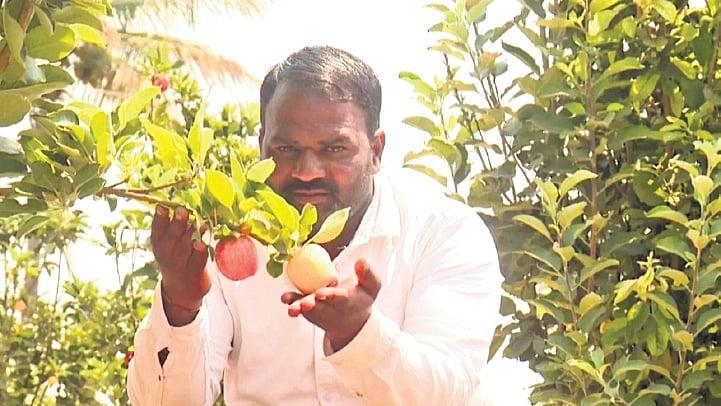
A farmer from Kulali village in Mudhol taluk has demonstrated that innovative horticulture can create new opportunities even in a traditionally hot agricultural region. Farmer Srishail Teli successfully cultivated apples on around seven acres of land despite temperatures that can rise above 38 degrees Celsius. Apple cultivation is generally associated with cooler regions such as Jammu and Kashmir and Himachal Pradesh. Teli chose heat-tolerant varieties and planted thousands of saplings after researching the possibilities of growing apples in North Karnataka. Reports said he planted varieties including Anna, Golden Dorsett and HRMN-99. His orchard began producing fruit in a relatively short period compared with traditional expectations. The farmer’s experiment attracted attention from other farmers who were interested in learning about the cultivation method. His success demonstrates the potential of crop diversification in regions where farmers traditionally depend heavily on a limited number of crops. Bagalkot is particularly known for crops such as sugarcane, maize, jowar, pulses and horticultural crops. Diversification can potentially help farmers explore additional sources of income. However, experts note that new crops should be selected only after studying soil, climate, water availability and market demand. Apple cultivation also requires careful management of irrigation, nutrition and plant health. The success of one farm does not automatically guarantee similar results everywhere. Nevertheless, the experiment provides an important example of agricultural innovation. Farmers in the region are increasingly looking at alternative horticultural opportunities. Such initiatives can encourage research-based farming and experimentation. The Bagalkot apple farm has also become an example of how technology,

ag1
agriculture

Sugarcane Continues to Remain a Major Agricultural Crop in Bagalkot

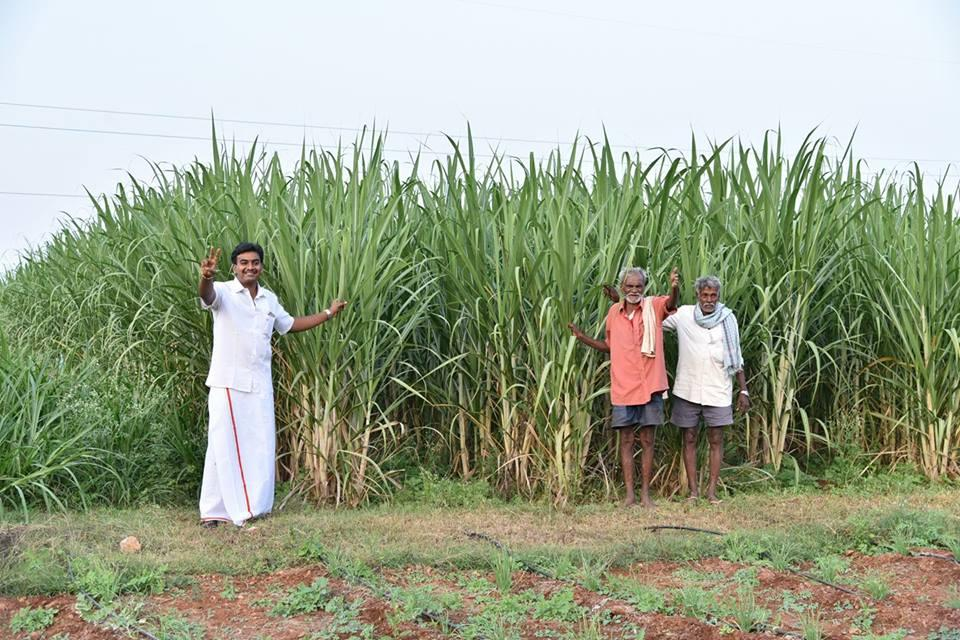
Sugarcane continues to occupy an important position in Bagalkot’s agricultural economy, with a large area of farmland devoted to the crop. Agriculture department information reported during the 2025 Kharif preparations identified sugarcane as a major crop in the district. The crop provides an important source of income for many farming families and supports the local sugar industry. At the same time, sugarcane requires considerable water compared with many dryland crops. This makes water management an important issue for farmers, particularly when rainfall becomes irregular. Efficient irrigation methods can help reduce unnecessary water use and improve crop management. Farmers should also monitor soil moisture before applying irrigation. Fertiliser application should be based on crop requirements and soil conditions rather than excessive use. Timely weed management can reduce competition for water and nutrients. Pest and disease monitoring is equally important during different stages of crop growth. Farmers should maintain healthy planting material and follow recommended agricultural practices. The availability of adequate rainfall can significantly influence the establishment and development of crops. Current weather forecasts for North Interior Karnataka indicate periods of light to moderate rainfall in Bagalkot. Such rainfall can provide useful moisture, although farmers should remain alert to strong winds and excessive rainfall. Proper drainage is particularly important in sugarcane fields during heavy showers. Crop diversification can also help farmers reduce excessive dependence on a single crop. Pulses, millets and oilseeds may provide alternatives depending on soil, water and market conditions. Agricultural officials have also emphasised timely availability of seeds and fertilisers during the Kharif season. With careful water management and scientific crop practices, sugarcane farming can remain an important part of Bagalkot’s agricultural economy.

Emergency
Jobs
Home
Transport
Listings